What chromium does

Chromium is a trace mineral that appears to help insulin move glucose into cells. Severe deficiency, seen in people fed only intravenously, causes high blood sugar that improves with chromium. The NIH chromium fact sheet puts adequate intake at about 20-35 mcg a day for adults, depending on age and sex.
Where you get it
Broccoli, whole grains, potatoes, green beans, meat, grape juice and brewer’s yeast all supply chromium. Most people in the US meet their needs from food, so chromium deficiency is considered rare.
Weight and cravings research
Studies of chromium picolinate for weight loss used 200-1,000 mcg a day and found, on average, about one kilogram more weight loss than placebo over several months, an amount the NIH describes as small. Some studies looked at carbohydrate cravings in people with atypical depression with mixed results. AlkaFit uses chromium chloride, a less absorbed form, at 20 mcg.
Cautions
- Chromium may add to the effect of insulin and diabetes medicines; monitor glucose and ask your doctor.
- It may reduce absorption of thyroid medicine; take them apart.
- High doses have rarely been linked to kidney and liver problems.
Cravings: the strategies that work
- Eat protein and fibre at breakfast and lunch.
- Do not let more than four to five hours pass without food if you tend to binge later.
- Walk for ten minutes after meals.
- Sleep seven or more hours; short sleep raises hunger hormones (see Sleep, stress and weight).
- Keep the trigger foods out of easy reach.
More myths and facts in Seven metabolism myths.
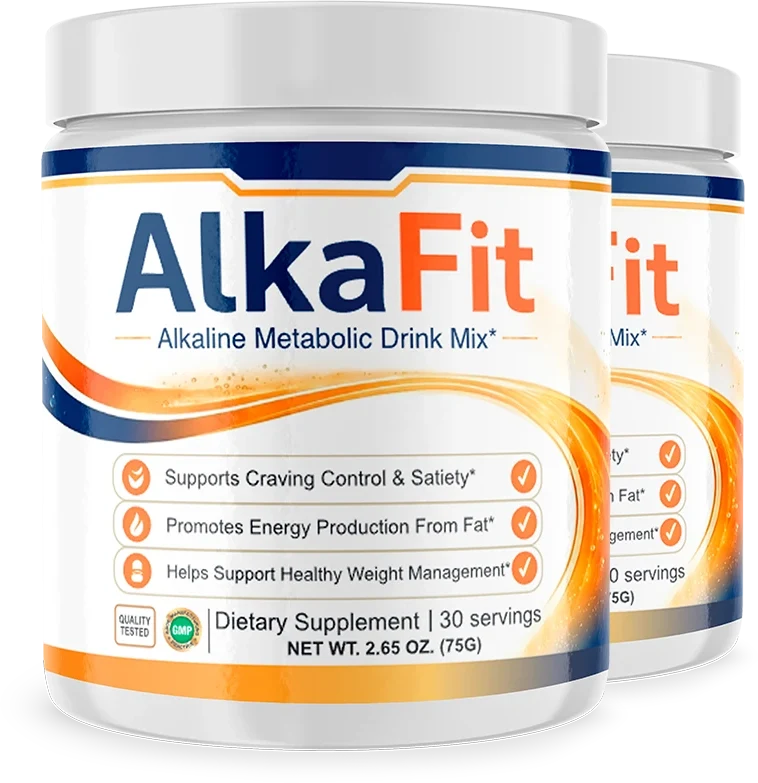
Comparing the AlkaFit tub packages? The 6-tub order works out at $49 a tub ($1.63 a day). If you drink coffee or take medicines, read the caffeine and safety guide first.
See Today’s AlkaFit OfferQuestions
Should I add a separate chromium supplement?
Only after talking to your doctor, particularly if you have diabetes. Food usually provides enough.